

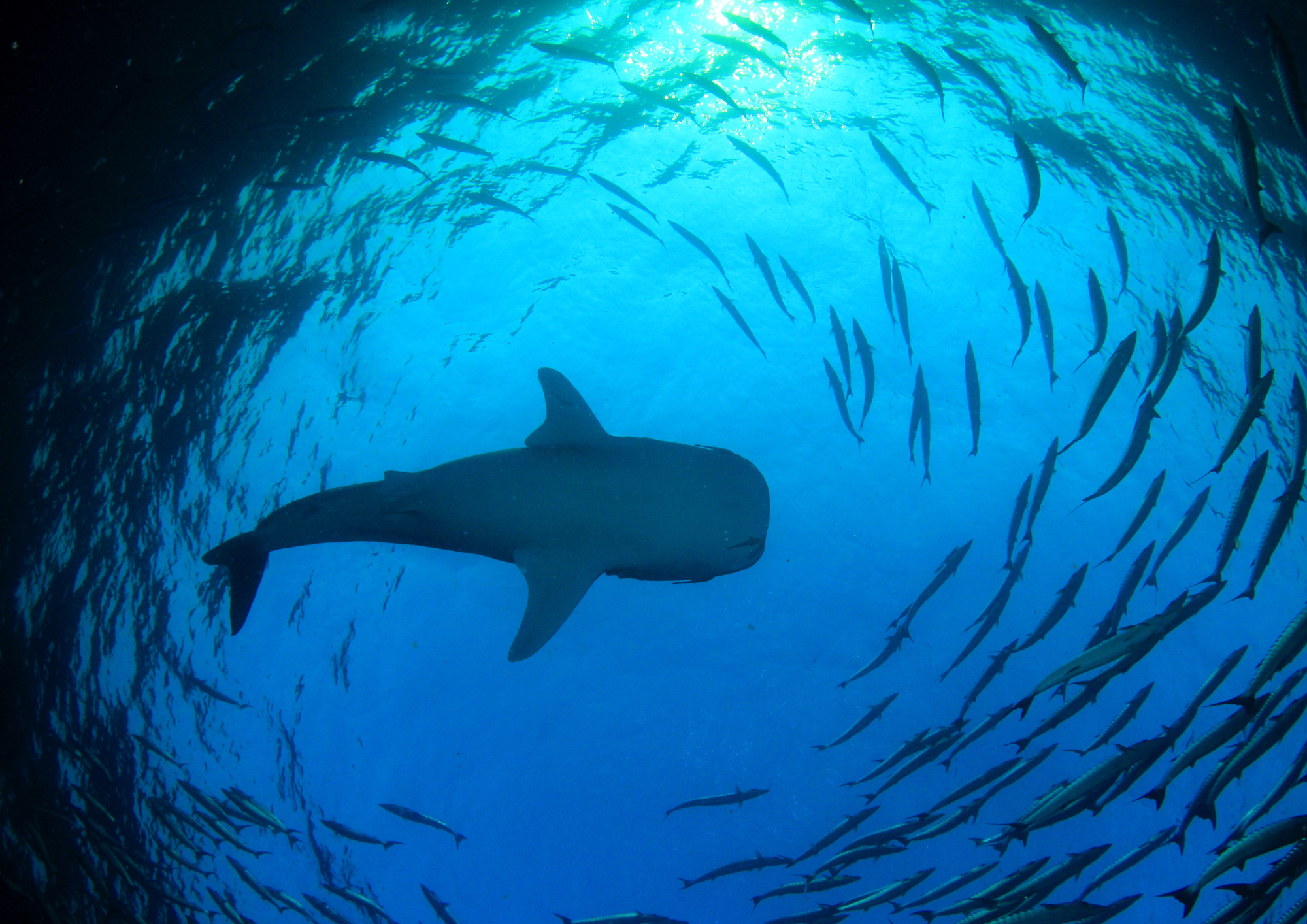
Over 2 days in January 2026 in Sydney, New South Wales, east cost Australia, swimmers felt they were in hostile negotiations with sharks. Five shark attacks were recorded. Headlines captured coastal events:
“48 Hours of Terror”
“Shark attacks force beach closures along Australia’s east coast”
“Fresh debate erupts over Aussie beaches”
Authority bodies closed dozens of beaches. This situation saw an increase in attacks compared to previous years.
While the attacks dominated the headlines and had significant impact on those affected, the resulting debate provides an interesting window into stakeholder management, competing needs and option generation.
The Value of Stakeholder Diagnosis
For negotiators, the shark debate is interesting because it highlights a negotiation with multiple stakeholders holding strong, competing views about the best way forward. The challenge is not deciding who is right, but understanding the needs driving different perspectives and designing options that achieve sustainable long-term outcomes.
ENS negotiation methodology focuses on needs diagnosis and designing options to satisfy needs on all sides of a negotiation. Following the attacks, various groups emerged calling for shark culls and stronger physical control measures, while advocacy bodies opposed culls, favouring technological options to mitigate risk to humans in the water. Understanding the needs of all parties is critical for the NSW Government as it considers policy responses aimed at reducing both risk and tragedy.
When considering a “shark” in negotiation, a tough, combative, often hard-line negotiator comes to mind. Perhaps this negotiator has a win at all costs approach. Difficult. Cartilaginous fish, sharks, are feared as extremely efficient predators. Attacks are tragic and headlines capture attention. Swimmers, surfers, fishermen and the community are significantly impacted.
In NSW, the negotiation quickly became apparent: Are shark numbers too high? Should culls be carried out? What has shifted to account for the increase in encounters? ENS methodology focuses on understanding the outcomes sought by stakeholders, alongside the needs influencing personal decisions and behaviours. When viewed through this lens, the policy challenge becomes broader than simply managing sharks. It becomes a question of how to protect ocean users, maintain public confidence, support local business and tourism, and preserve marine ecosystems.
While experts continue to debate the reasons behind increased shark encounters, public concern has intensified. Calls for culls emerged to ensure safety, while others argued for marine protection.

Applying the Iceberg Model
For ENS negotiators, understanding the stakeholder landscape is critical. Groups supporting shark culls include coastal alliances, regional tourism and business bodies, local government representatives, and fishing and surfing groups.
These groups are often highly reactive following attacks and incidents. The ENS Iceberg Model provides a system to understand their motivations. Above the waterline sit stated positions such as “reduce shark numbers” or “increase coastal protection”. Below the waterline are core needs that are influential. These may include individual motivations: protecting personal safety, preserving livelihoods, restoring confidence in beach access and preventing future tragedy.
Understanding both organisational and personal needs helps shape negotiation strategy and provides a stronger basis for cooperation.
Stakeholders opposed to culling typically prioritise the protection of shark populations and marine ecosystems, reflecting underlying needs related to conservation, environmental sustainability, and biodiversity preservation.
The contrast between these groups highlights a common negotiation challenge. Stakeholders may hold opposing positions while pursuing their own outcomes. Effective negotiators look to what people are requesting and seek to understand the deeper layer of why it is important to them.
Understanding What Drives Decisions and Positions
The NSW Government is seeking to negotiate across these competing interests to form shark risk management policy. Applying the ENS approach means exploring options that can satisfy as many involved stakeholders’ needs as possible.
Options currently being considered and implemented include:
- Monitoring and detection through drone surveillance
- SMART drumlines that tag, monitor and release sharks
- GPS-triggered buoys
- VR4G acoustic receivers capable of detecting tagged sharks near beaches
From June, the NSW Government rolled out the world’s largest shark-monitoring drone network as an additional surveillance measure, costed at $120 million. Australians love their beaches fiercely and many needs will be satisfied.
From a negotiation perspective, these initiatives are interesting because they represent option generation rather than choosing between competing positions. Instead of framing the discussion as “cull sharks” versus “do nothing”, these measures attempt to satisfy multiple needs simultaneously, including safety, environmental protection and public confidence.
Other risk mitigation measures aimed at satisfying stakeholder needs include:
- Eco barriers and protected swimming enclosures
- Electromagnetic deterrent devices for surfers and divers
- Education programs identifying higher-risk conditions and times
These approaches seek to balance competing interests while building confidence among ocean users.

Lessons for Negotiators
The shark debate highlights several principles familiar to skilled negotiators:
Look beyond position. Stakeholders often present firm views, but progress is achieved by understanding the needs of other involved parties and what are the deep driving needs forming a position.
Understand the full stakeholder landscape. Complex issues rarely involve only two parties. Mapping stakeholder needs improves decision making and how then to proceed and find common ground.
Generate options before choosing solutions. Sustainable outcomes are more likely when negotiators focus on satisfying multiple needs rather than defending fixed positions.
Negotiating with sharks, or for shark preservation, is ultimately about balance. Enhancing and protecting community, livelihoods, environmental sustainability and a love of the ocean requires decision makers to consider a wide range of stakeholder needs. The shark debate is a useful reminder that effective negotiation is rarely about choosing one side over another. More often, it is about understanding the needs driving different perspectives and creating options that achieve the best possible outcome for all involved.
